Arrive at Kathmandu airport and transfer to your hotel. Take rest and adjust to the altitude, then enjoy a short evening walk around Thamel or Boudha. Final briefing about the trek.
Oveight Altitude: 1,400m | Activity: No trekking
15 Days
Beginner
Langtang
The Langtang Gosaikunda Trek is one of the most remarkable and deeply rewarding Himalayan journeys you can experience in Nepal. Because the Langtang Gosaikunda trek route begins just a day’s drive from the capital, it stands out as an incredibly accessible option for adventurers who want world-class mountain views without the logistical headaches of domestic flights.
When planning this adventure, many travelers wonder, “Is Langtang Trek suitable for beginners?” The answer is a resounding yes, provided you have a decent level of physical fitness. The trail masterfully combines gentle riverside walks, lush rhododendron forests, and open yak pastures with a few challenging alpine climbs. While the total langtang gosaikunda trek distance spans roughly 110 to 120 kilometers (depending on your side excursions), the steady pacing of this itinerary allows your body to safely adapt to the changing altitudes.
If you are short on time, agencies often condense this route into a Langtang Gosaikunda trek 11 days or a Langtang Gosaikunda trek 12 days itinerary. However, this comprehensive 16-day framework gives you the ultimate luxury: time. It ensures you don’t have to rush through the vibrant Tamang and Sherpa villages, giving you a deeper look into the local Buddhist traditions.
15 Days
Beginner
3Star Hotel and Teahouse
Best Time March - May & Sept - Dec
B.L.D
5050m.
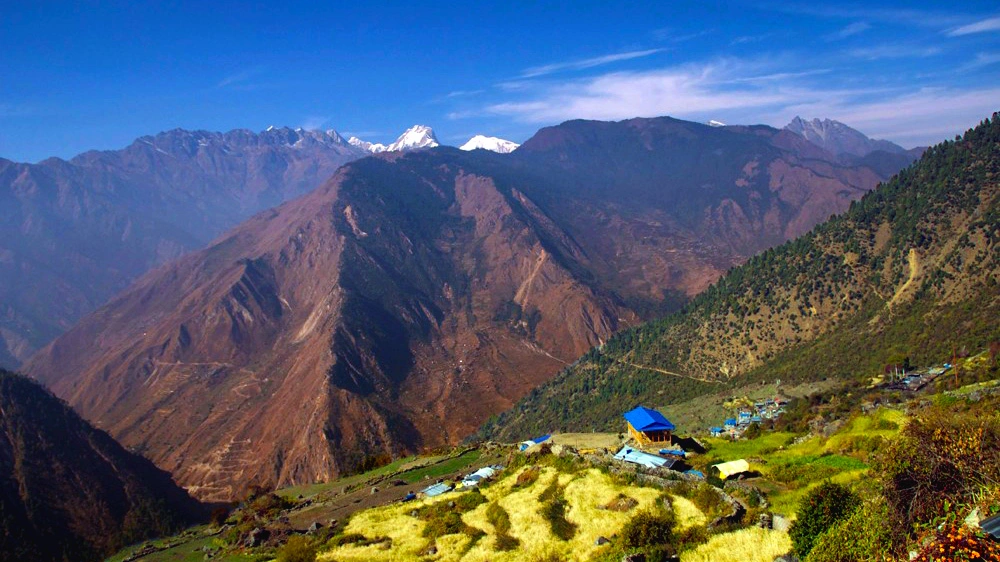
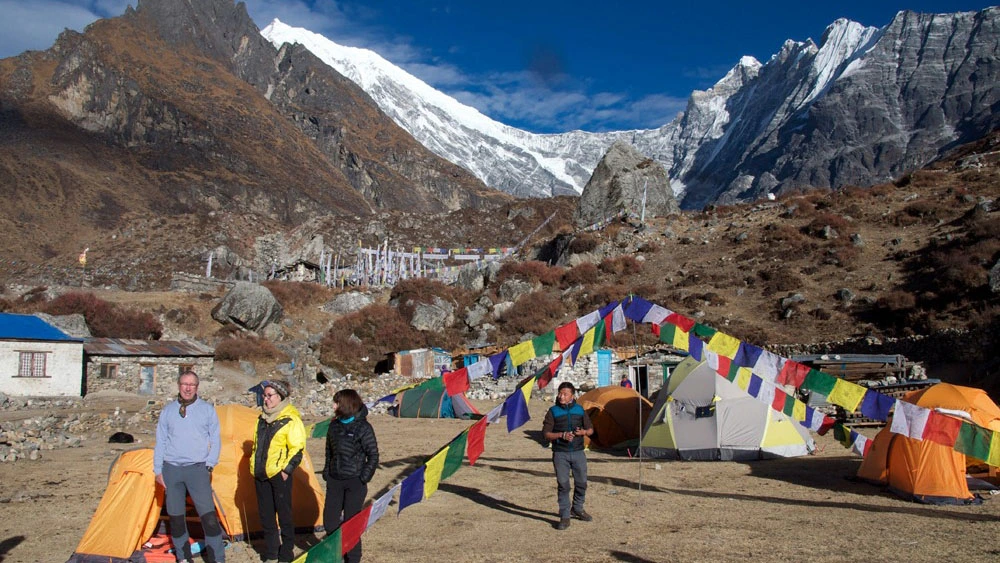
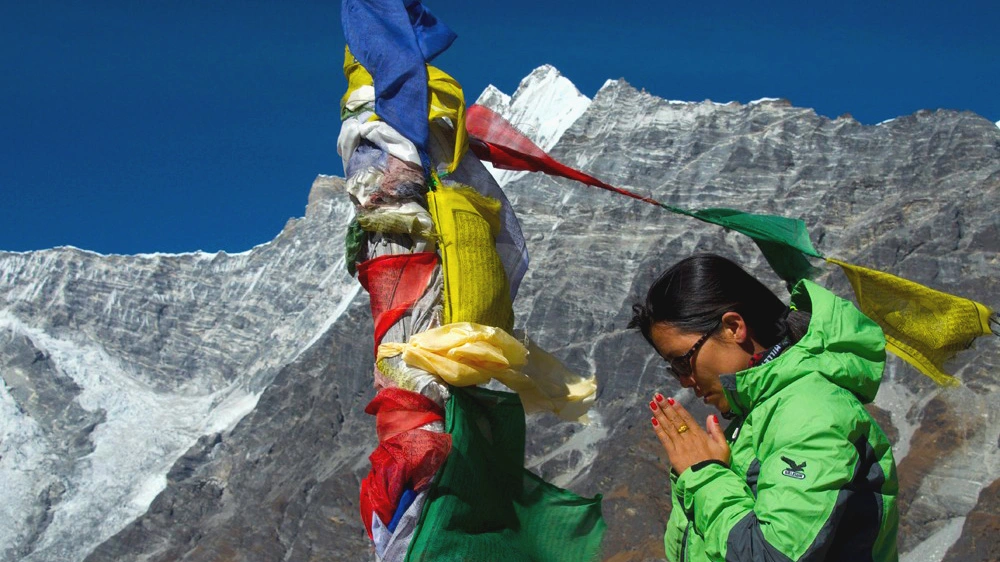
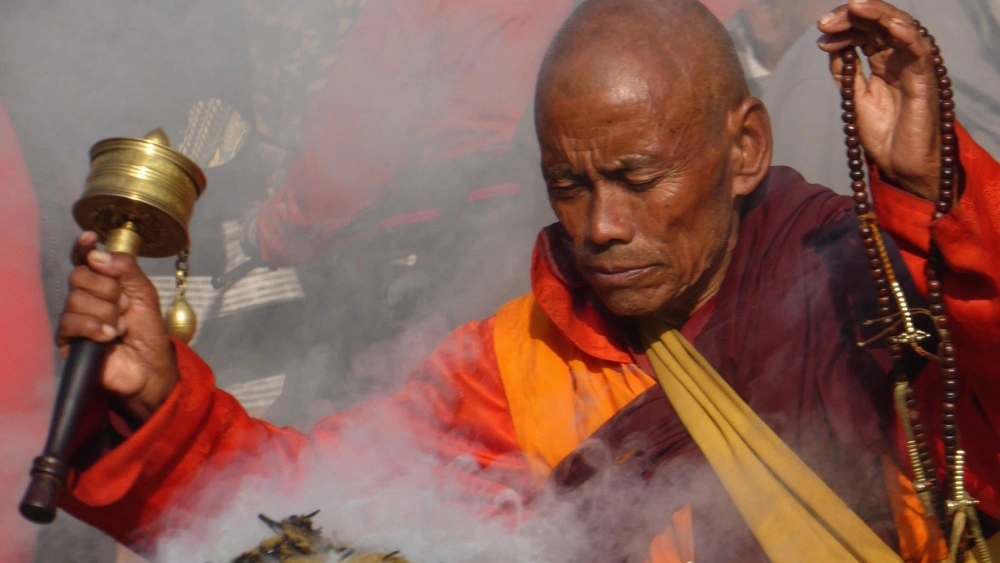
Arrive at Kathmandu airport and transfer to your hotel. Take rest and adjust to the altitude, then enjoy a short evening walk around Thamel or Boudha. Final briefing about the trek.
Oveight Altitude: 1,400m | Activity: No trekking
Drive along the Trishuli River with beautiful hill landscapes and reach Dhunche for permit checking. The road gradually ascends and then descends to Syabrubesi. Oveight stay in a lodge near the river.
Altitude: 1,460m | Drive: 7–8 hrs
Start trekking by crossing a suspension bridge and begin a steady uphill climb. The trail follows a ridge with a few flat sections and offers wide mountain views. Reach a peaceful traditional village for oveight stay.
Altitude: 2,324m | Walking: 5–6 hrs
Descend first to the river and then follow a gradual uphill forest trail. Walk along the Langtang Khola with some flat sections near Lama Hotel. Continue through bamboo and forest to reach Thangshyap.
Altitude: ~3,140m | Walking: 5–7 hrs
The trail gradually ascends through a wide valley with open and flat sections at Ghodatabela. Forest slowly changes into alpine landscape. Enjoy clear views of Langtang Lirung.
Altitude: 3,330m | Walking: 5–6 hrs
Walk on a gentle uphill trail through a broad glacial valley. The path includes long flat yak pasture sections. Visit the monastery and explore the beautiful surroundings.
And after lunch if you like to hike up a steep trail to Kyanjin Ri for panoramic mountain views. Descend back on the same route carefully. This day helps your body adjust to higher altitude. Hiking 3-4 hrs for Kyanjin Ri (4773m)
Altitude: 3,870m | Walking: 3–4 hrs
Tserko Ri (4,984 m) – Longer & amp: More Challenging
This is a harder hike and starts very early before sunrise. The climb is long and steep, taking you
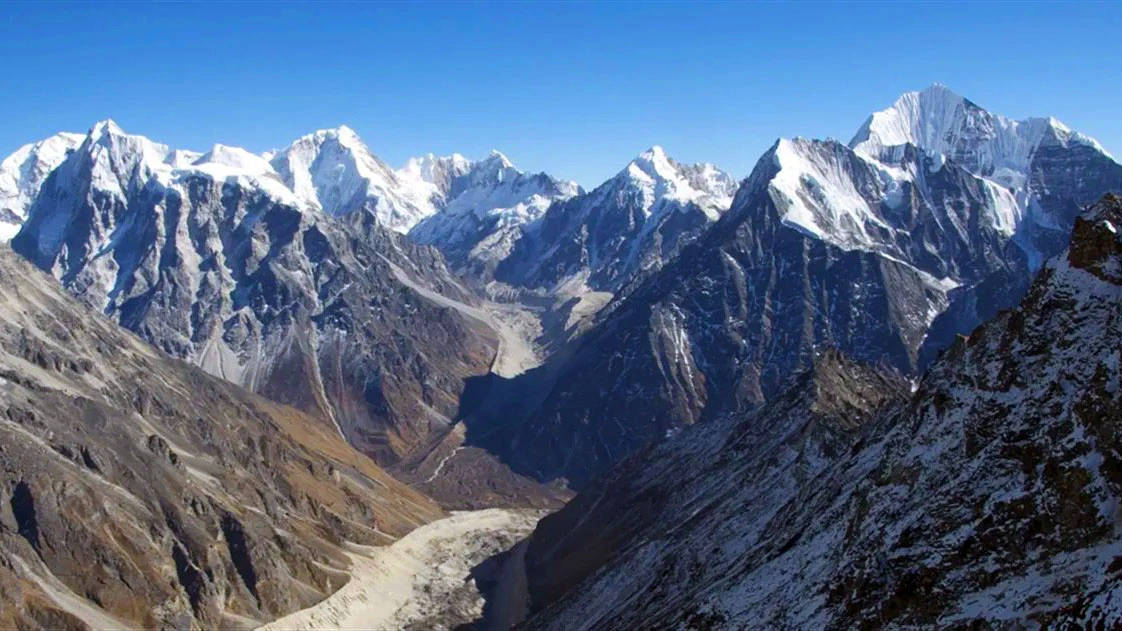
close to 5,000 meters. From the top, you get one of the best views of the entire Langtang range, Dorje lakpa,Langtang Lirung, Gangchempo and even see Mount Shishapangma in Tibet.
Altitude:4984m l Walking:6-8 hrs
Retrace the trail with a long downhill walk through the valley. There are some flat sections near the river. Gradually move from alpine area back into dense forest.
Altitude: 2,470m | Walking: 6–7 hrs
Descend to the river and cross a bridge, then climb steeply uphill to Thulo Syabru. The trail passes through forest and hillside villages. Experience Tamang and Gurung culture.
Oveight Altitude: 2,230m | Walking: 5–6 hrs
Follow a steady uphill trail through rhododendron and pine forest. The path is mostly ascending with very few flat sections. Enjoy peaceful forest environment.
Altitude: 3,650m | Walking: 5–6 hrs
Climb steeply above the tree line through rocky alpine terrain. Pass Lauribina viewpoint with great mountain views. Reach the sacred lake area surrounded by high hills.
Altitude: 4,380m | Walking: 5–6 hrs
Enjoy the moing view of Gosainkunda Lake before starting descent. Walk downhill through open alpine land into forest. The trail is steady and scenic.
Altitude: 3,330m | Walking: 5–6 hrs
Descend through forest to reach Dhunche. From there, drive back to Kathmandu along the highway. Transfer to your hotel.
Altitude: 1,400m | Walking: 3–4 hrs | Drive: 6–7 hrs
Take rest after the trek and explore the city if you wish. Do shopping for souvenirs or visit cultural sites. Trip review and relaxation.
Altitude: 1,400m | Activity: No trekking
Transfer to the airport for your final departure. End of the trekking jouey.
We can tailor this trek to your schedule, comfort level, and interests.
Standing tall at 7,234 meters, Mt. Langtang (Langtang Lirung) is the highest peak in the Langtang region. It is actually the closest 7,000-meter mountain to Kathmandu, yet it remains one of the least-climbed and most respected peaks in the world.
For the local Langtangpa people, this mountain is much more than just a beautiful view. They believe the entire Langtang Valley is a Beyul—a sacred, hidden sanctuary created by the great Buddhist master Guru Padmasambhava to protect people during difficult times on Earth.
In fact, local legend says the valley was discovered when an ancient Buddhist monk went searching for a lost yak. In the local language, "Lang" means Yak and "Teng" means to follow. Today, Mt. Langtang stands like a quiet frozen guard over this magical valley, protecting dense bamboo forests that hide rare wildlife like the Red Panda and the Snow Leopard.
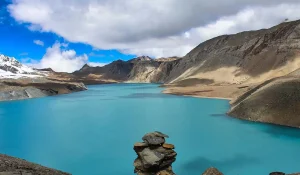
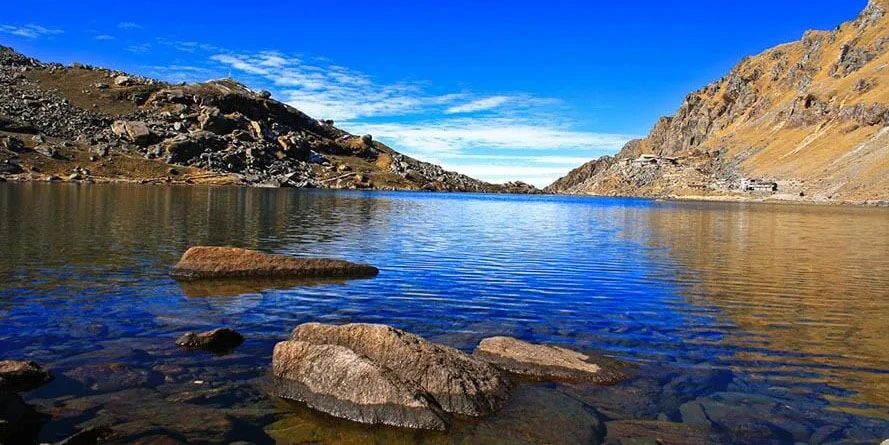
Sitting high above the tree line at 4,380 meters, Gosaikunda is much more than just a beautiful alpine lake. It is a globally protected wetland and a deeply holy place where ancient Hindu stories and traditional mountain healers meet.
According to Hindu mythology, a powerful poison once emerged that threatened to destroy the entire universe. To save the world, the god Lord Shiva drank the poison. It trapped the venom in his throat, turning it bright blue.
Burning with intense heat from the poison, Lord Shiva rushed into the cold, freezing Himalayas to find relief. He struck the mountain ice with his holy trident (Trishul), instantly shattering the glacier. Pure, ice-cold water burst out, creating Gosaikunda Lake. Shiva drank deeply to cool his burning throat. Even today, when you stand on the shores of the lake, you can see a dark rock rising from the water, which locals believe is the head of Lord Shiva himself.
The "shape" of this trek is unique because it forces a rapid altitude drop after Langtang, followed by a sudden, steep re-ascent toward Gosaikunda.
The Acclimatization Golden Rule: You must spend a minimum of two nights at Kyanjin Gompa (3,870m) before pushing higher to Tserko Ri. When transitioning from Thulo Syabru to Gosaikunda, do not skip the intermediate over night stay at Cholangpati (3,650m) or Sing Gompa. Forcing a direct climb from the river to the sacred lakes introduces a major risk of Acute Mountain Sickness (AMS).
| Trip Name | Departure Date | Status | Price | Action |
|---|---|---|---|---|
| Langtang Gosaikunda Trek | Sep 20, 2026 | Filling Fast | €895 | Join Trip |
It is safely categorized as a moderate adventure. There are no technical climbing sections or high, high-risk mountain passes to navigate. The primary challenge lies in the steady uphill climbsu2014such as the steep ascent to the sacred lakes at 4,380 metersu2014and the optional but strenuous day-hike up to Tserko Ri, which flirts with the 5,000-meter mark.
During the autumn (September to November) for crystal-clear skies, or spring (March to May) when the valleys burst into color with blooming wild flowers.
€895
Per Person (Group Join)